Wys tans plasings met die etiket Homeopathic Dental Treatments for Dogs. Wys alle plasings

Woensdag 09 Mei 2012

Dental Care for Dogs - Natural, Herbal, Homeopathic DIY Remedies, Treatments


There are many natural, herbal and homeopathic interventions and treatments that you can adopt to improve and maintain your dog’s oral health.

If your dog already has gingivitis or periodontal disease it is best to have the built-up plaque and tartar removed, and then start a regular maintenance regimen. Fragaria Vesca can be used to soften the tartar/plaque - you will find instructions on the use of Fragaria below along with many options for simple, affective natural, herbal, homeopathic oral health care, including…
  • Toothpaste;
  • Gum treatments;
  • Oral rinse;
  • Treatment/remedies for bleeding gums;
  • Treatment/remedies for killing bacteria.
  • Foods & herbs that fight oral bacteria and reduce plaque.

A dog that has infected teeth and gums can become weak as they do not wish to eat due to pain. You will see below that there are many herbal tinctures that you can choose from to treat the pain caused by infected teeth and gums so that your dog will be interested in eating again. These same tinctures also work to fight bacteria which causes infection while reducing inflammation and bleeding.

Baking Soda (Bicarbonate of Soda)


Toothpaste - Baking Soda
  • Dampen a tooth brush with a little warm water;
  • Dip the brush in baking soda (just a little soda is required - do not load the brush with soda);
  • Gently brush your dog’s teeth - baking soda is an abrasive so do not apply pressure when brushing.
Toothpaste - Baking Soda & Cinnamon
  • In a glass combine 1 tsp of baking soda with 1/8 tsp of cinnamon;
  • Mix the soda and cinnamon;
  • Dampen a tooth brush with a little warm water;
  • Dip the brush in the cinnamon/baking soda powder mix (just a little is required - do not load the brush with soda);
  • Gently brush your dog’s teeth - baking soda is an abrasive so do not apply pressure when brushing.
For more information on cinnamon (benefits, dosage) see the section on ‘Cinnamon, Kefir and Manuka Honey’ below. Do not give cinnamon to a pregnant dog.

The amount of baking soda required to clean your dog’s teeth is very small - you do not need to laden the brush - a little is affective. If ingested in large amounts baking soda is not good for your dog. Ingesting a large amount of baking soda can cause problems with electrolyte levels (low calcium, low potassium, high sodium), muscle spasms and/or congestive heart failure.

Benefits of Baking Soda
Baking Soda is derived from a naturally occurring mineral called natron, which was first mined by the ancient Egyptians. I. the 1800’s to bakers from France created the modern version of Baking Soda. It is a mild abrasive and has been used for medicinal purposes for centuries.

Calendula (also known as Pot Marigold)


Treatment for Bleeding Gums  Use a cotton swab to generously apply tincture of Calendula on inflamed gums.

Benefits of Calendula 
Calendula has been used in herbal preparations for thousands of years. Calendula is excellent for promoting the healing of wounds and stopping bleeding. It has antiviral, anti-genotoxic, anti-tumour, anti-inflammatory and antibacterial properties. Calendula promotes the metabolism of proteins and collagen which is necessary to grow new healthy cells and tissue. Calendula is safe for dogs, including pregnant dogs.

Cinnamon, Kefir and Manuka Honey

You may be surprised to see honey listed as an ingredient for use in oral care, but manuka honey has very special properties (as noted below), unlike most sweeteners -  which are very bad for your dog’s teeth and general health.


Sprinkle Cinnamon on Food
Dogs love the taste of cinnamon so ground cinnamon can be sprinkled on top of your dog’s kibble or other food. Cinnamon helps dissolve food particles and aids with the digestion of food. Daily maximum dosages for cinnamon are provided below.

Oral Rinse – Cinnamon and Warm Water
  • In a glass, mix about 2 tbs of warm water with 1/8 tsp of cinnamon powder. Make sure the cinnamon is completely mixed with the water;
  • Use an eye dropper or medicine dispensing syringe to squirt the liquid into your dog’s mouth;
  • Have a towel ready and keep it under your dog’s chin as the liquid will dribble back out of your dog’s mouth;
  • Follow-up by squirting some plain water into your dog’s mouth…or they may choose to have a drink of water on their own.
You can use this remedy on yourself as well - it is as good if not better than any commercial mouthwash…and unlike many of the big name products, it is not tested on animals and does not contain any toxins.

Toothaches, Infected, Bleeding Gums – Cinnamon and Manuka Honey
To relieve your dog’s discomfort…make a paste of:
  • 1 tsp Cinnamon Powder;
  • 5 tsps Manuka Honey.
  • Apply the paste to the aching tooth. You may apply this paste up to 3 times per day until the pain is arrested. 
You can use this remedy on yourself as well! Daily maximum cinnamon dosage for dogs is provided below.

Toothpaste – Cinnamon, Kefir and Manuka Honey
In a glass mix kefir, with manuka honey and a little cinnamon - the consistency should be that of a paste. Use this paste to brush your dog’s teeth. They will love the taste!

Benefits of Cinnamon, Kefir and Manuka Honey

Cinnamon
Cinnamon has quite an extensive list of beneficial properties for oral care…it is an:
  • Anti-inflammatory;
  • Anti-microbial (fights bacteria, fungi, etc.)
  • Anti-septic;
  • Mild anesthetic;
  • Helps dissolve food particles and aids in the digestion of food.

Historically cinnamon has been used to numb teeth and gums, including the gums of teething infants.

Maximum dosage of Cinnamon per Day
  • Large Dogs - ½ tsp a day;
  • Medium Dogs - ¼ tsp a day;
  • Small Dogs - 1/8 tsp a day.
Cautions: In some very rare cases cinnamon can be an irritant. All of my ten dogs (small, medium, large breeds) have cinnamon on a daily basis and have never experienced any reaction. Cinnamon powder in the doses mentioned above is safe for pregnant dogs, but do not use cinnamon essential oil on a pregnant dog.

Kefir
Kefir is a creamy, dairy based food made from the milk of cows, goats and sheep, sometimes also made from coconut milk, rice and soy. (Do not purchase kefir made from soy if you live in North America as almost all soy crops are from genetically modified seeds). Kefir contains a large amount of phosphorus and B Complex vitamins (important for maintenance of healthy teeth), it promotes the faster healing of wounds, illness, it is excellent for the immune system, and a rich source of good bacteria - these are just a few of its health benefits.
 
Manuka Honey
Manuka Honey is produced by bees that fed on a native tree of New Zealand. Manuka honey has been used for its great healing properties for centuries. Manuka Honey is well known for its antibacterial, antifungal, antiseptic properties. It speeds up the healing process by stimulating wound tissues; initiates the healing process in dormant wounds; is an autolytic debridement (helps remove damaged, dead, infected tissue) and is an excellent moist wound healing agent. 

Echinacea

Echinacea has anti-inflammatory, antibiotic and analgesic properties. Echinacea has been used in oral care for hundreds of years, popular as a mouthwash, it aids in the fight against gingivitis and periodontal disease by supporting immunity to bacterial infections that help destroy germs and minor infections in the gums. Its analgesic properties soothe aching guns and teeth. Echinacea is safe for use with pregnant dogs.


Treat Infected Teeth and Infected, Bleeding Gums
Use a cotton swab to generously apply tincture of Echinacea directly your dog’s gums.

Mouthwash
  • In a glass, mix ½ tsp dried Echinacea root powder with 1 cup of water in a microwavable glass bowl or cup;
  • Microwave for three minutes;
  • Remove from microwave and cover bowl or cup with plastic wrap or other cover;
  • Allow the liquid to sit and cool for an hour;
  • After an hour, strain the liquid;
  • Use an eye dropper or medicine dispensing syringe to squirt the liquid into your dog’s mouth.
  • Have a towel ready and keep it under your dog’s chin as the liquid will dribble back out of your dog’s mouth;
  • Follow-up by squirting some plain water into your dog’s mouth…or they may choose to have a drink of water on their own.
You can use this remedy on yourself as well - it is as good if not better than any commercial mouthwash…and unlike many of the big name products, it is not tested on animals and does not contain any toxins.

Fragaria Vesca (Fragaria 6x, Woodland Strawberry)

Fragaria Vesca is used for softening and removing tartar and plaque. Once softened normal use of a toothbrush is more affective and can be used to affectively help keep teeth clean. Continued use of Fragaria Vesca helps keep tartar and plaque from reforming on teeth. Fragaria Vesca is safe for use on pregnant dogs.


Toothpaste and Tartar/Plaque Softener
  • Place 3 Fragaria pellets in ¼ cup of warm water;
  • Allow the pellets to soak in the water for 5 minutes;
  • After 5 minutes remove the pellets from the water;
  • Use the resulting fragaria water to brush your dog’s teeth and gums

Goldenseal, Myrrh and Oregon Grape


Skip the Toothpaste, use Regular Gum Treatments - Oregon Grape, Myrrh, Goldenseal
You can use this treatment several times a week as part of an ongoing oral care maintenance program. Using a cotton swab, generously apply tincture of Oregon Grape, Myrrh or Goldenseal to your dog’s gums. This will inhibit the growth of bacteria that causes plaque and tartar. In addition to being antiseptic, Goldenseal, Myrrh and Oregon grape also stimulate new tissue growth of the gums.

Toothaches, Infected, Bleeding Gums – Oregon Grape, Myrrh, Goldenseal
For infected teeth or gums - use a cotton swab, generously apply tincture of Oregon Grape, Myrrh or Goldenseal on inflamed gums reduces painful swelling and works to stop more serious infection from setting-in.

Mouthwash - Goldenseal
  • In a glass, mix 1/2 tsp. goldenseal root powder with 1 cup of water in a microwavable glass bowl or cup;
  • Microwave for three minutes;
  • Remove from microwave and cover bowl or cup with plastic wrap or other cover;
  • Allow the liquid to sit and cool for an hour;
  • After an hour, strain the liquid;
  • Use an eye dropper or medicine dispensing syringe to squirt the liquid into your dog’s mouth.
  • Have a towel ready and keep it under your dog’s chin as the liquid will dribble back out of your dog’s mouth;
  • Follow-up by squirting some plain water into your dog’s mouth…or they may choose to have a drink of water on their own.
You can use this remedy on yourself as well - it is as good if not better than any commercial mouthwash…and unlike many of the big name products, it is not tested on animals and does not contain any toxins.

Benefits of Goldenseal, Myrhh and Oregon Grape

Goldenseal
Goldenseal has been used for centuries by Native Americans and is a widely used herb today. Goldenseal has anti-inflammatory, amoebocide and antiseptic properties. Do not use on
pregnant or nursing dogs.


Myrhh
Myrhh is a natural dental care product with antibiotic, astringent, amoebocide and anti-inflammatory properties. Historically it has been used for many centuries to treat swollen gums, mouth ulcers, etc. Myrhh is safe for pregnant dogs when used in small amounts.


Oregon Grape (also called holly-leaved barberry, mountain grape)
Although grapes and raisins are very bad for dogs, the tincture of Oregon Grape is non-toxic to dogs, provided it is used in moderation - large quantities are not necessary. Oregon grape is a natural antibiotic, astringent, amoebocide and anti-inflammatory. Do not use Oregon Grape tincture on pregnant dogs.


Vitamin C


A deficiency of vitamin C in the diet has been proven to lead to gingivitis, periodontal disease and a reduction in the body’s ability to fight infection. Clinical research has shown that vitamin C improves host defence mechanisms thus supporting periodontal health and boosting the immune system. Vitamin C is required for the development of collagen - a substance that gives cell tissue strength and elasticity. Gums are fragile by nature so supporting healthy collagen production is all the more important. Vitamin C is safe for pregnant dogs.

Toothpaste
  • Mix one cup of warm water with ½ tsp of powdered vitamin C (or grind-up vitamin C tablets to create a powder;
  • Use the resulting liquid to brush your dog’s teeth.


Foods & Herbs that Fight Oral Bacteria and Reduce Plaque


Apples, Carrots, Celery
Dogs love the taste of apples…chewing on fresh, crisp apples helps remove bacteria and food particles from teeth. Just wash the apple, remove the apple core (the seeds contain arsenic which is poisonous to dogs), slice the apple-up and let your dog enjoy. Carrots and celery are also healthy choices offering the same bacteria removing action as apples. These foods also increase saliva production which helps to wash away bacteria and plaque.
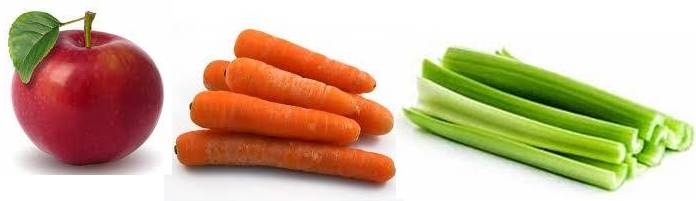

Citrus Fruits, Melons and Berries
Citrus fruit such as clementines, grapefruit, lemons, oranges, tangerines; melons and berries such as blackberry, cranberry, gooseberry, raspberry and strawberry all contain high levels of vitamin C. A diet that is rich in vitamin C creates an environment in which bacteria does not thrive. These foods also increase saliva production which helps to wash away bacteria and plaque. The other benefits of vitamin C are listed in the section on Vitamin C above.Lemons have many other health benefits as well - you can learn more about the benefits of lemons here.


Herbs
Corriander (cilantro), Mint and Spearmint have germicidal properties that inhibit the growth of bacteria in the mouth. You can add these fresh herbs to your dog’s food or combine with some sliced apple, etc. Just finely chop the fresh herb - you can also sprinkle a little olive oil or salmon oil on the herbs.

Daily amount…
  • Large size dogs 3 - tbs a day;
  • Medium size dogs - 2 tbs a day;
  • Small dogs - 1 tbs a day.

Yogurt
Adding a little yogurt with active cultures to your dog’s daily diet reduces the odor- causing hydrogen sulfide in your dog’s mouth and helps destroy bacteria that causes plaque and tartar. A diet rich in Vitamin D (yogurt and cheese are both high in vitamin D) creates an inhospitable environment for bacteria. Make sure you give your dog plain yogurt with active cultures, not highly processed yogurt with sugar or artificial sweeteners. I usually give my dogs 2% plain yogurt. You can add fresh fruit to the yogurt, top it with a little cinnamon and give it to your dog as a treat on its own or add it to their kibble etc.

Daily amount…
  • Large size dogs 3 - tbs a day;
  • Medium size dogs - 2 tbs a day;
  • Small dogs - 1 tbs a day.

Related Articles


How to Select Safe, Effective Teeth Cleaning Chews & Dental Chews for Your Dog


Having something safe to chew can fulfill multiple requirements for your dog…
  • Provides enjoyment;
  • Exercises teeth gums and jaw;
  • Helps remove plaque;
  • Satisfies a dog’s natural need to chew;
  • Provides an outlet to expend energy;
  • Helps prevent boredom;
  • And for puppies, helps sooth itchy gums during teething.
There are many different types of chews that you can select from. Your dog may pick their own naturally available items to chew. My dog’s love to pick their own sticks to gnaw on while we are on out trail walks together…tree twigs actually contain some very good natural oral care properties - volatile oils that stimulate blood circulation and tannins that tighten and clean gum tissue.


You can choose from a wide assortment of chews available at most pet supply stores and on-line. Just make sure that when you are selecting a product you understand the pros and cons of using each product and what to look for to identify good product from poor or down right dangerous product (ingredients that include toxins and carcinogens). The information below provides a guide to choosing quality product and the right product.

And one other thing to keep in mind,  you won't know the quality of the item, much like the meat used in dog kibble - unless the labeling states that the chew (whether bone, rawhide, dental chew, etc.) is from an animal that was;
  • Antibiotic free;
  • Steroid free, 
  • Raised on organic and GM free food, and;
  • Not from a 4D animal (dead, diseased, disabled or dying prior to slaughter).
I point the above out primarily to make you aware of how many things your dog may ingest in the course of a typical day that may contribute to a toxic load. The more you are aware of, the greater opportunity you have to prioritize and make informed choices.

Raw Bones


Chewing on raw bones will definitely help to keep your dog’s teeth clean. But you do need to be careful what type of raw bone you give to your dog.
  • Fresh, raw chicken neck bones, chicken wing bones and turkey neck bones are safe for dogs - dogs can chew and swallow these soft bones (do not give your dog bones from the other parts of a chicken as the bones are harder, prone to splintering and can cause damage to your dog as noted below);
  •  Hip and femur bones of large animals such as cattle and bison are great for your dog to chew on, but beware the cautions noted below.
Many dogs eat raw bones all their life and never have an issue. Dogs on raw food diets may eat raw bones on a daily basis. Having said that, bones can also pose health risks…
  • Raw bones can lead to GI upset for dogs with very sensitive stomachs due to the rich marrow found in large animal bones. If your dog has a sensitive stomach make sure you remove the marrow first;
  • GI upset can also occur due to Salmonella and E. coli, although the stronger acids in a dog's stomach are much better at fighting off such bad bacteria than a human can -  however some dogs contract salmonella poisoning and some do die as a result;
  • Chewing on bones too intensely can cause tooth fractures;
  • Bone splinters can rip a dog’s stomach and/or intestines causing serious and sometimes lethal damage if swallowed - if you see that your dog is chipping and fragmenting the bone take the bone away, always make sure you pick up and discard the fragment. 
  • Don't give your dog cooked bones as cooking increases the fragility of the bone increasing the risk of splinters and fractures;
  •  Always be around to supervise when your dog is chewing bones.

Smoked or Natural Bones


My dogs love to chew on these! You can purchase smoked or natural bones. You can also purchase antler bones at many pet supply stores - antler bones are long lasting and are unlikely to fragment or splinter. Just follow a few precautions...

  • Chewing on bones too intensely can cause tooth fractures;
  • Bone splinters can rip a dog’s stomach and/or intestines causing serious and sometimes lethal damage if swallowed - if you see that your dog is chipping and fragmenting the bone take the bone away, always make sure you pick up and discard the fragment. 
  •  Always be around to supervise when your dog is chewing bones.

Natural Chews

 
Pet supply stores sell a wide variety of rawhide, bully sticks, pig ears, chicken jerky etc. These are all excellent for exercising your dog’s teeth and gums while scraping off plaque.  Just make sure you select chews that do not have any artificial flavour or artificial food dye (colouring) as these additives are carcinogenic.

My dogs all get a rawhide treat at night. It is part of their daily routine and a nice way for them to wind-down for the evening.

It is very important that rawhide be given to dogs only when you are around to supervise. Some dogs are really good about taking their time to chew properly and others are not so cautious and will not chew the entire rawhide properly. They will attempt to swallow larger pieces. These pieces can become lodged in the dog’s throat and cut off their air supply. Most of my dogs are careful, but my Boxer ‘Robbie’ is a repeat offender. There have been occasions when I have had to put my hand down his throat to remove a good size piece of rawhide.

And one last note - be very careful to note where the product is coming from - products from China can be full of toxins, contaminants, Salmonella and E. coli. Many dogs have died as a result of eating products produced in China - read the labels so you know where the product was manufactured.

Dental Chew Toys


Some dental chew toys are really well designed - long lasting, have a perfect consistency to exercise teeth, jaw and gums and remove plaque and do not contain toxins - Kong dental chew toys are one such example. Don’t purchase dental chew toys from China as the plastic may be full of toxins and may also fall apart and become a choking hazard.

Dental Chews


Dental chews are available at most pet supply stores, grocery stores etc. and on-line. Once again it is very important to look at the ingredients as many commonly stocked dental chews are chock full of ingredients that are seriously bad for your dog’s health. Remember don’t fall for advertising and labels read the ingredient list and know what ingredients to avoid. A truly good dental chew product consists of ingredients that are nutritional, fully digestible, and derived from 100% natural nutritive sources. While all of the products in the photo below look nice many of them are not good for your dog!

The product you choose should not include any of the ingredients noted on the to avoid’ list, but should instead be comprised - at minimum, of the following:
  • Natural, safe abrasives for cleaning action;
  • Nutritional ingredients including minerals and vitamins that support oral health.
Related Articles


Vitamins, Minerals & Foods that Support Oral Health in Dogs


A dog's genetics help to determine the strength of their teeth and bones. Some dogs have naturally strong teeth, while others have chalky, softer teeth. While all dogs require sufficient oral health-supporting vitamins and minerals in their daily diet - some dogs may require more than the average quantity to ensure good oral health is maintained.  


Although commercial dog kibble does have added vitamins and minerals, the amount provided kibble product varies by manufacturer, brand and type.  Kibble alone may not provide enough of the right vitamins and minerals /to meet your dog’s daily quota for achieving good oral health. You can augment your dog’s daily intake of critical vitamins and minerals by providing them with:
  • A supplement designed specifically for canines, and/or;
  • Supplement your dog’s daily diet with fresh, whole foods (including some dairy, fruit and vegetables) that are good for your dog and are rich in oral health and immune system supporting vitamins and minerals. 
If you are thinking that feeding your dog fruits and veggies will cause diarrhea you should read this article
 
An added bonus - whole, fresh crunchy food such as whole carrots, parsnips and sliced pieces of apple help scrub your dog’s teeth clean!

Calcium (mineral)
 
A dog’s teeth and jaws are comprised primarily of calcium. When there is not enough calcium in a dog’s diet the risk of developing periodontitis increases. Calcium is best when combined with phosphorus and Vitamin D (see Phosphorus and Vitamin D rich foods below).

  • Cheese - Cheddar, Swiss, Mozzarella, Provolone;
  • Dark green leafy vegetables, collard greens, spinach, 6broccoli;
  • Kelp (also has many other health benefits);
  • Yogurt (plain, unsweetened).


Iron (mineral)

Not enough iron can cause inflammation of the tongue and the formation of sores in the mouth. Tip - vitamin C helps the body better absorb iron.

Dark green leafy vegetables, collard greens, spinach, broccoli (broccoli should not exceed more than 1/10th of the dog’s daily food intake);
  • 3Eggs;
  • 4Liver;
  • Red Meat;
  • Turkey or Chicken giblets; 
 
Phosphorus

Calcium requires phosphorus to maximize calcium’s’ bone strengthening benefits. The following foods are high in phosphorus. Combine some high calcium and high phosphorus as a little meal on its own or mixed in with your dog’s kibble.
  • Cheese - Cheddar, Swiss, Mozzarella, Provolone;
  • Chicken
  • 1Garlic
  • Flax Seeds (ground not whole)
  • Meat
    Turkey
  • 2Salmon, halibut, herring
  • Wheat Germ

 Vitamin B Complex
 
(B1 thiamine + B2 riboflavin + B3 niacin + B5 pantothenic acid +B6 pyridoxine + biotin + folic acid + B12 cobalamins)

B complex vitamins are essential for oral health. A deficiency of these vitamins can cause a variety of oral health problems, including bleeding gums and inflammation. The following foods are high in B complex vitamins:
  • Cheese;
  • Chicken;
  • Dark leafy greens (kale, spinach);
  • 3Eggs;
  • 2Fish;
  • 4Liver;
  • Peanuts, peanut butter (use only human grade, as non-human grade can have aflitoxins which are carcinogenic)
  • Yogurt

Vitamin C

Vitamin C is required for the development of collagen - a substance that gives cell tissue strength and elasticity - both attributes are very important for healthy gums. The following foods are high in vitamin C:
  • 5Bell Pepper - all colours
  • 6Broccoli
  • Brussels Sprouts
  • Cauliflower
  • Clementines
  • Dark leafy greens (kale, mustard greens, garden cress)
  • Kiwi
  • Oranges
  • Papaya
  • Parsley
  • Strawberries
  • Tangerines

Vitamin D

Vitamin D regulates the body’s balance of calcium and phosphorus; helps with the absorption of calcium; helps protect against inflammation; protects and lubricates bones and teeth. The following foods are high in vitamin D:
  • Beef;
  • 3Eggs;
  • 2Herring;
  • 4Liver;
  • 2Mackerel;
  • 2Salmon;
  • 2Sardines;
  • 2Tuna (don’t use albacore tuna - as it is high in mercury);
  • Swiss Cheese.

Related Articles:


Notes
1Onion, Chives, Leeks, Shallots are dangerous, garlic in small amounts is beneficial
Contain thiosulphate, the substance responsible for causing ‘Heinx Factor’ anemia in dogs. Can also cause gastrointestinal problems such as vomiting and diarrhea. The amount of thiosulphate found in garlic is much lower than in onions, in fact the amount in garlic is barely traceable!  When garlic is ingested in reasonable amounts there are no harmful affects, only beneficial ones! Garlic is known for its antic cancer, diabetes, liver, heart, kidney disease fighting properties as well as its use as a natural flea repellent and de-wormer for dogs.

2Fish - in large quantities are dangerous, small quantities are beneficial
If fed exclusively or in large amounts can result in a thiamine (a B vitamin) deficiency leading to loss of appetite, seizures, and in severe cases, death. A small amount of cooked or canned  fatty fish such as anchovies, salmon, sardines, shad, smelt, mackerel are very good for your dog (on a daily basis is fine - in small amounts) as these types of fish are nutrient rich and a good source of omega fatty acids. Use caution if you are feeding your dog raw fish. Raw fish can contain flukes, a parasite that infests the liver of animals including dogs. This parasite can cause liver damage and subsequently death. Granted in some places around the world dogs are fed raw fish. Just be aware that in doing so you may put the health of your dog at risk. If you know for certain that the fish in your area is not infested than there is no threat to your dog’s health.

3Eggs - raw can be a hazard, cooked in small amounts are beneficial   
Contain an enzyme called avidin, which decreases the absorption of biotin (a B vitamin). This can lead to skin and hair coat problems. Raw eggs may also contain Salmonella, although the chance of contamination for your dog is low as a dog’s stomach acids are very strong and dog’s also produce a lot of bile. You can cook the eggs to avoid this issue. Due to the avidin it is best not to give eggs every day, but a couple of times a week is fine.

4Liver - in small amounts is beneficial. In large amounts can cause Vitamin A toxicity, leading to kidney damage/failure.

5Peppers - in small amounts are beneficial.
Peppers are a Nightshade vegetable. Nightshade vegetables and fruit (goji berries, eggplant, potatoes,tomatoes, all peppers - with the exception of black pepper) are rich in many vitamins, minerals and other compounds that are beneficial. When included in small amounts as part of a balanced diet these vegetables are safe to consume. However when ingested in large quantities they may cause health problems. Nightshade vegetables contain alkaloids. Alkaloids are produced by the plant to protect it from harmful insects, when ingested in substantial amounts alkaloids may cause cause inflammation, arthritis, muscle pain, stiffness, poor healing. The alkaloid content of these vegetables are reduced by 40 to 50% when the vegetables are cooked.The leaves, stems and flowers of these plants are very toxic.

6Broccoli - in small amounts are beneficial.
Broccoli is rich in vitamins, minerals and other compounds such as bioflavinoids (cancer fighting) - so this vegetable has much good to contribute to a dog's diet. Broccoli does contain one toxic ingredient called isothiocyanate - a toxin that is a very potent gastrointestinal irritant. As long as the percentage of broccoli in the dog's diet does not exceed 10% of the dog's daily diet.


Ingredients to Avoid in Dog Toothpaste, Oral Rinse and Dental Chews


Choosing a Good Toothpaste and Oral Rinse for Your Dog

Brushing your dog’s teeth on a daily basis, or at least several times a week; and or use of an oral rinse on your dog’s mouth is very important

Never Use Oral Health Products Intended for Human Use

Never use toothpaste or liquid oral care products intended for use by humans to clean your dog’s teeth/mouth as products intended for human use typically contain substances that are toxic for dogs. Only use commercially produced oral care products that are specifically made for dogs. But please don’t fall for the attractive packages and eye-catching words ‘natural’, ‘safe’, etc…

Don’t Trust the Advertising / Label

You may already be brushing your dog’s teeth or providing him/her with dental chews or liquid oral care as an insurance against periodontal disease…but did you know that many of these products that are sold in pet stores and/or on-line are full of ingredients that are not good for your dog?

Sure these products may help remove plaque and tartar but if the preventative you are using is full of additives and toxins - you are inadvertently creating another health hazard. The drastic increase in cancer found in dogs is a direct result of all of the carcinogenic additives and toxins in a dog’s daily environment and food.

Just because a product is labelled and advertised as ‘safe’ or ‘all natural’ does not mean that it is. Currently, the legislation (particularly in North America) defining ‘natural’ as pertains to ingredients (used in human and animal food, health care and cleaning products) is not designed to protect the consumer - the definition of ‘natural’ is very loosely defined in favour of the manufacturing industry. 

So, before you decide to purchase a product do a little research - read the ingredients, make sure the product is truly safe. Below is a list of ingredients you DO NOT want in your dog’s dental treatment products…

What to Avoid in Commercially Made Dental Care Products for Dogs

Artificial Colouring Agents and Artificial Flavouring
 i.e. FD&C Blue No. 1 or Blue 1. Artificial colouring agents are suspected carcinogens and may be contaminated with heavy metals that are toxic to the brain
and cause numerous health issues such as bladder cancer, brain tumors and the inability to concentrate. Artificial colouring agents and additives such as glycerol monostearate, phosphoric acid and propylene glycol (this is used in antifreeze - antifreeze kills dogs!).

 
BHA, BHT, EQ (ethoxyquin), Propyl Gallate
Used as a preservative, suspected endocrine disruptor, suspected carcinogen. Instead look for products that contain ‘natural preservatives’ and antioxidants such as Vitamin C, Vitamin E, and mixed tocopherols.


Corn, Gluten, Soy, Corn
Used as a filler. These are known allergens, almost all corn and soy in North America are grown from Genetically Modified (GM) seeds. The long-term affects of eating GM products is not known; 


DEA Related Ingredients - also MEA and TEA
These are used to make products such as soap and toothpaste foam, these ingredients are suspected carcinogens;

Fluoride
Fluoride is considered a toxin and too much can cause skeletal fluorosis resulting in joint pain, limited range of movement, brittle bones and a high rate of fracture


 Gelatin
An animal by-product derived from rendering miscellaneous animal parts such as bone, cartilage, ligaments, skin, etc. - may be full of toxins;

Hydrogenated Starch Hydrolysate (HSH)
Artificial sweetener, sugar alcohol that is not good for dogs, toxin;

Parabens
Parabens are used as a preservative. Parabens are a suspected endocrine disruptor, interfere with hormone production and are suspected carcinogens;

Saturated or Trans Fat
These fats are sourced from rancid fats and oil by products that are not sold for human consumption. May be from 4-D animals. Unhealthy at best, toxic and suspected carcinogen at worst.  

Sodium Laureth Sulphate and other ingredients with the letters ‘eth’
Used to make products foam, suspected carcinogen;

Sorbitol
Sorbitol is used as a preservative and is a sugar alcohol sweetener used in toothpaste. Although it does not cause tooth decay it is a laxative and can have many other negative side affects. Sugar alcohols are seriously bad for dogs and can cause mild to severe health problems and death.

Soy Protein Isolate
Allergen, suspected carcinogen and derivate of GM product;

Sugar
Sugar causes tooth decay, suppresses the immune system - making it easier for diseases to attack your dog’s body. Sweeteners also cause of allergies, arthritis, cataracts, hypoglycaemia, heart ailments, nervous energy, obesity, etc. 

 Propyl Gallate
Preservative, suspected carcinogen;

Tin (II) Fluoride also known as Stanous Flouride
Used to make tooth enamel more resistant to damaging bacteria. Tin can cause anemia, skin and eye irritation, kidney and liver problems, stomach aches, and death.

Triclosen
Suspected endocrine disruptor and may contribute to antibiotic resistance;

Xylitol
An artificial sweetener that can cause liver damage and death.

Now That You Know What to Avoid

You can choose a good commercially made oral care product for your dog. You can also make your own natural, herbal and homeopathic oral health care products for your dog.

Related Articles:


Aangedryf deur Blogger.

Labels